Tips for opening your brewery
Published on March 2, 2022

Craft microbreweries are spreading across Brazil, even though the sector still accounts for less than 2% of the country's total production and most of them are concentrated in the South and Southeast.
It is estimated that at least 1,000 breweries are already operating in several states. What used to be a hobby for a few beer lovers has become a growing business. But entering this market takes more than experience: it takes training, knowledge of the sector's specific legislation and a business plan to stand out in an increasingly competitive market.
Today's microbrewery market can be divided into three categories: small breweries, which have their own production line; brewpubs, which have small production lines at the point of sale; and gypsy breweries, which outsource production to available plants.
Here are some tips for anyone thinking about opening a brewery:
1- Consult a specialist for the MAPA approval
Before opening the business, the entrepreneur should check the city's master plan to find out whether a given property can be used for the business. Likewise, the more precise the research into investment needs, the fewer surprises in the financial forecast for the new business. This avoids the trap of sinking into debt because of poor financial planning. Palemapa, a Palenox partner company, offers support from industry specialists who can prevent headaches and losses.
2- The right equipment
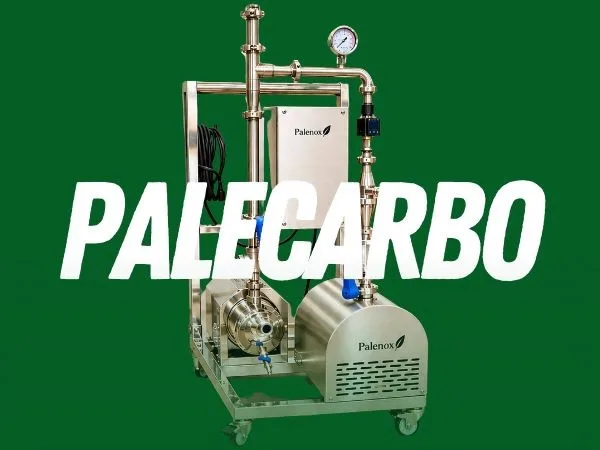
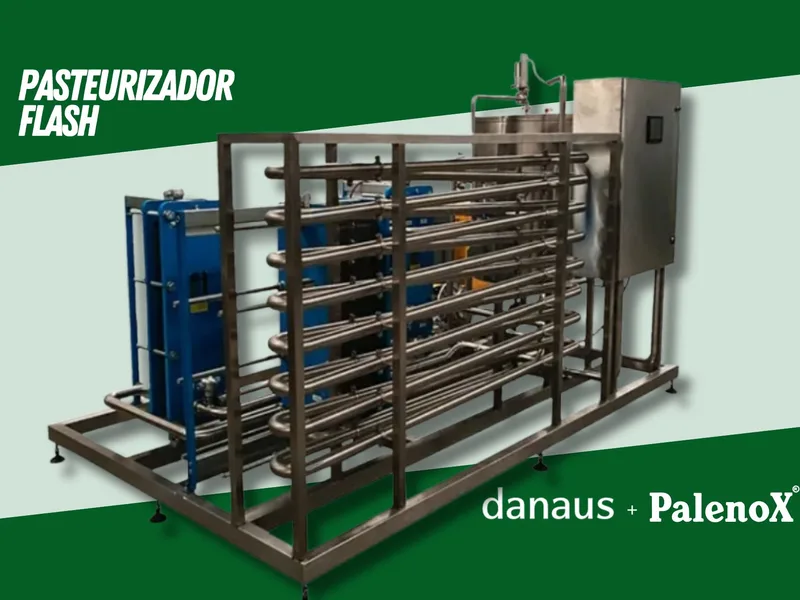
If you decide to invest in equipment for your own microbrewery, besides the equipment for the office and the bar, the production area should have a brewhouse built on a stainless steel structure — mash tun/wort kettle with electric agitator, lauter tun, heat exchanger with thermometer and transfer pump — plus a cold water generator, tanks for handling the beer, wort aerator, mill, heating system, maturation tanks and kegs.
That is why it is important to work with a supplier who helps you choose the right equipment for your needs and production capacity.
3- Hygiene
Sanitizing and cleaning the equipment are two fundamental parts of brewing: the goal is to eliminate unwanted bacteria and microorganisms from production.
Above all, equipment that comes into direct contact with the cooled wort must be clean and sanitized. There are two ways to do this: chemicals and heat.
Often the "contamination" itself is not to blame for losing a batch, but rather the brewer's lack of good manufacturing practices (GMP), which allowed the contamination to happen.
4- Training
Look for professional training courses that prepare participants on a range of topics related to the world of beer, to work in the most diverse segments of the market, including shops, bars, restaurants, distributors, importers and breweries. With well-trained people it is easier to define beer styles (labels) that consumers will like.
The professional will be better prepared to enter the promising craft beer market.