The non-alcoholic drinks boom in Brazil: when the "mindful toast" becomes a trend
Published on October 7, 2025
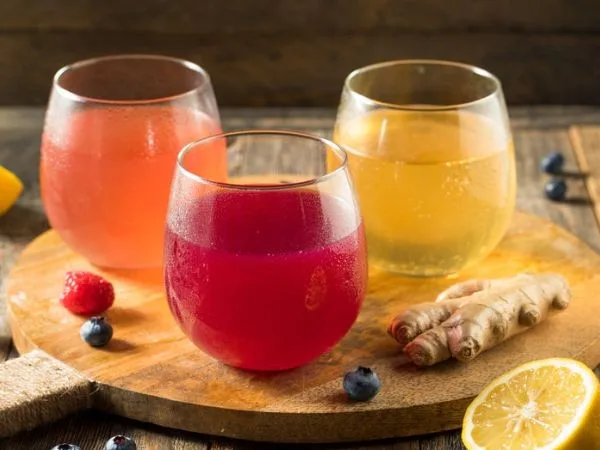
A few years ago, ordering an alcohol-free beer at a bar could raise eyebrows. Today it is increasingly common to see people toasting with 0.0 versions, craft kombuchas or even sophisticated drinks without a drop of alcohol — and without losing any of the experience.
What used to be a niche for fitness consumers or people with restrictions has become a cultural and economic movement that is reshaping the beverage market in Brazil.
The new behavior of those who want to "toast better"
We live in an era when health and pleasure no longer need to go in opposite directions. The search for well-being, balance and awareness has led many Brazilians to rethink their alcohol consumption. Recent surveys show that more than half of alcoholic beverage consumers have already cut back — and, interestingly, without giving up the ritual of the toast.
This is where expressions like "sober curiosity" and "mindful drinking" come from, describing a lifestyle that values being present and clear-headed — while still social and relaxed.
A market that's booming (even without alcohol)
According to the 2024 Non-Alcoholic Beverages Yearbook from Brazil's Ministry of Agriculture (MAPA), the Brazilian sector already moves more than R$ 160 billion a year. Most of it is still dominated by traditional soft drinks and juices, but the fastest growth comes from new formats:
0.0 and 0.5% beers, with production volumes up more than 200% in the last five years;
Kombuchas and functional fermented drinks, which went from a few producers to thousands of registrations after regulation in 2019;
Mocktails and alcohol-free "spirits", the new frontier of mixology and premium bar experiences.
All of this is driven by a more demanding public that reads labels, looks for natural ingredients and cares about the environmental impact of what it consumes.
From the corner bar to the gourmet store: where alcohol-free is gaining ground
The progress is not only in the products, but also in where they appear. Today it is easy to find 0.0 beers in football stadiums, upscale restaurants and even on the shelves of popular wholesale stores. Digital platforms have also become allies: kombucha subscription clubs and ready-made mocktail delivery are examples of the new on-demand consumption.
Bars and restaurants have also seen the potential: a menu with alcohol-free options widens the audience and communicates inclusion — after all, nobody is left out of the toast.
Generation Z and the "less is more" cultural effect
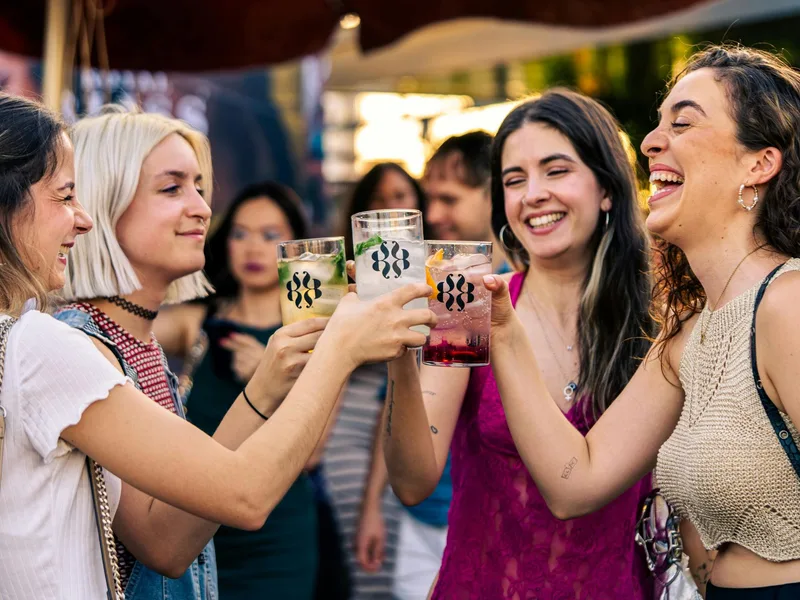
Perhaps the biggest driver of this transformation is Generation Z, which sees drinking differently. More concerned with productivity, mental health and its image on social media, this generation looks for alternatives that combine flavor and purpose. For many young people, the ideal drink is one that brings pleasure without consequences the next day — and the market has risen to the challenge.
Innovation and challenges in the same glass
Behind the success there are also technical and marketing challenges. Reproducing the taste and texture of alcoholic drinks without the alcohol is a complex chemical and sensory art. Price is also still an obstacle: many "alcohol-free" or "functional" products are expensive, which limits access outside the big cities.
Even so, innovation keeps bubbling. Brands are investing in more natural processes, sustainable packaging and stories of authenticity. Being "zero" has never been so positive.
A toast to the future
The non-alcoholic beverage market in Brazil reflects a global movement — and also a new way of celebrating. More than a fad, it is an evolution of values: health, awareness, sustainability and inclusion.
While some people drink less, others drink "better". And what once seemed a paradox — celebrating without alcohol — now emerges as the symbol of a new era: the era of the mindful toast.
References
Ministério da Agricultura e Pecuária (MAPA). Anuário das Bebidas Não Alcoólicas 2024.
AFABBRA. Cresce o consumo consciente de bebidas sem álcool entre os brasileiros. (2025).
Euromonitor International. Brazil: Non-Alcoholic Drinks Market Report. (2024).
Banco do Nordeste. Revista Cadernos de Estudos Econômicos – Setor de Bebidas. (2023).
ELSA-Brasil. Estudo Longitudinal de Saúde do Adulto: padrões de consumo alimentar e bebidas.
BHB Food. Cerveja sem álcool cresce mais de 200% no Brasil. (2024).