Grape juice: an energy replenisher for athletes
Published on October 18, 2022
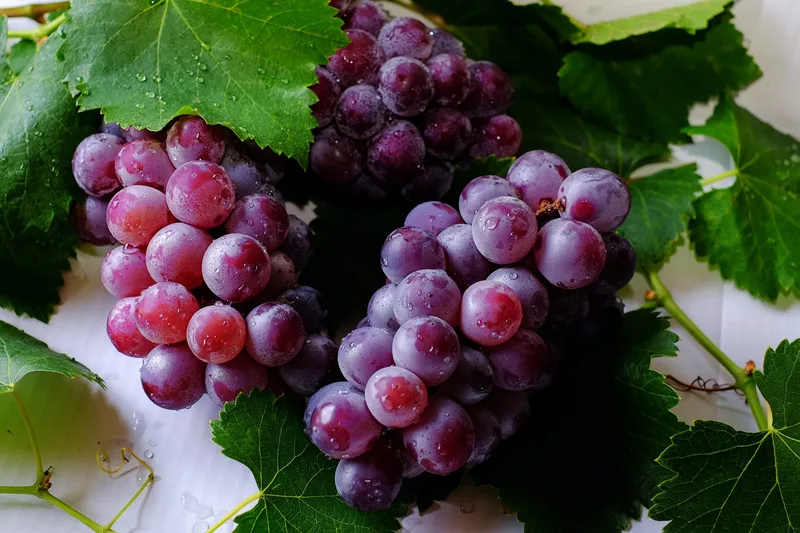
In this article, we explain how whole grape juice can help athletes replenish energy. For this specific group, what sets this drink apart is its antioxidant effect.
Fruits are a source of energy for the body, since they are rich in components essential to human health, such as carbohydrates, proteins, vitamins and minerals. Grapes in particular offer nutritional and therapeutic value above most fruits because of their high content of "phenolic compounds", such as resveratrol.
"Phenolic compounds" are antioxidants that protect the body's cells against oxidative damage. Cellular oxidation involves the use of oxygen and produces highly reactive and harmful free radicals. "Phenolic compounds" capture free radicals, thus inhibiting oxidative processes.
When these oxidations are minimized, it is possible to prevent a number of diseases or unpleasant symptoms. Such damage can trigger atherosclerosis, cancer, Parkinson's and Alzheimer's, among other diseases. Unpleasant symptoms such as skin aging, fatigue and muscle pain (as in the case of athletes) can also be explained by the action of free radicals.
Regular consumption of foods rich in "phenolic compounds" is advisable, provided, of course, there is no medical restriction. Several studies with phenolic compounds point to their preventive effect on oxidative diseases, such as inflammatory, neurological, cardiovascular and geriatric conditions, among others.
Although athletes are generally in good health, most of them need energy replenishment and relief from muscle fatigue. Athletes require continuous muscle maintenance, as their muscles are affected by oxidative damage. Controlled studies of regular grape juice consumption by athletes showed a reduction in oxidation reactions in the body.
Some objections to drinking grape juice may arise, even when it is whole juice. For example, the presence of fruit sugar is often questioned. The word sugar should not be generalized in this case. After all, the sugars in whole juice are glucose and fructose, and there is no added "less healthy" sugar, which would be sucrose. Moreover, the positive effects of the fruit juice outweigh the objection to the sugar (fructose and glucose) it contains.
If you are an athlete or a health professional who advises athletes, here are some advantages of whole grape juice:
● whole juice contains no added refined sugar (sucrose)
● grape sugars are simple (glucose and fructose)
● it is convenient to drink
● it is available all year round
● it is very well accepted by consumers (taste)
● it has a high content of phenolic compounds (e.g. resveratrol) compared with other juices
● it has as much vitamin C as orange juice, and in some cases more
Whole grape juice is an excellent energy replenisher for athletes, providing added health benefits over other juices thanks to its phenolic compounds.
Note: Because of athletes' high energy expenditure, and to prevent muscle fatigue, nutritional follow-up and periodic tests by health professionals are essential.
References:
CANEDO-REIS, N. A. P.; GUERRA, C. C.; SILVA, L. F. da; WETZSTEIN, L. C.; JUNGES, C. H.; FERRÃO, M. F.; BERGOLD, A. M. Fast quantitative determination of phenolic compounds in grape juice by UPLC-MS: method validation and characterization of juices produced with different grape varieties. Journal of Food Measurement and Characterization, v. 15, p. 1044-1056, 2021. DOI 10.1007/s11694-020-00706-8.
MARTINS, N. C.; DORNELES, G. P.; BLEMBEEL, A. S.; MARINHO, J. P.; PROENÇA, I. C. T.; GOULART, M. J. V. da C.;MOLLER, G. B.; MARQUES, E. P.; POCHMANN, D.; SALVADOR, M.; ELSNER, V.; PERES, A.; DANI, C.; RIBEIRO, J. L. Effects of grape juice consumption on oxidative stress and inflammation in male volleyball players: A randomized, double-blind, Placebo-controlled clinical trial. Complementary Therapies in Medicine, v. 54, n.102570, 2020. DOI 10.1016/j.ctim.2020.102570.
SILVA, L. F. da. Uvas e vinhos tintos finos da campanha gaúcha: compostos fenólicos e atividade biológica. 2016. 234 f. Tese (Doutorado em Ciências Farmacêuticas) – Universidade Federal do Rio Grande do Sul, Porto Alegre.
Author:
Letícia Flores da Silva
Analyst, Embrapa Grape and Wine